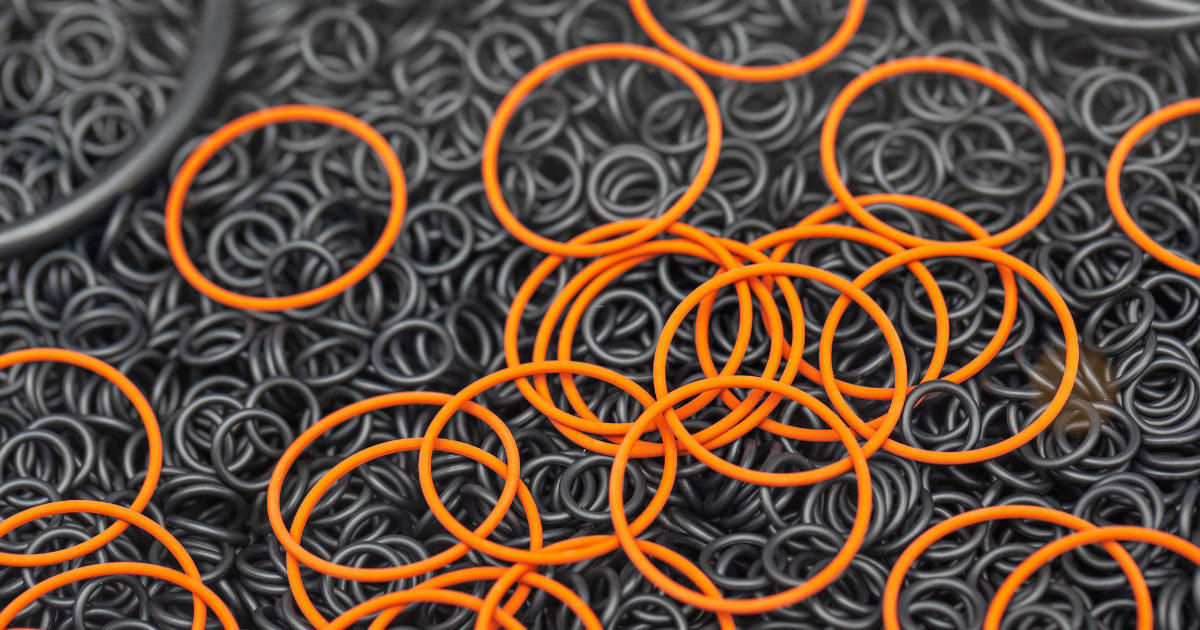
Elastomer components face unique challenges in demanding applications. These rubber-based materials, prized for their exceptional ability to stretch far beyond normal capacity and return to their original shape, must often perform reliably under high stress and extreme temperatures. Whether in medical devices, automotive seals, or industrial gaskets, protecting elastomeric rubber while maintaining its inherent flexibility presents a critical engineering challenge. Advanced Coating's parylene conformal coating technology offers an innovative solution that enhances elastomer performance without compromising functionality.
Understanding the Elastomer Protection Challenge
Elastomer products serve essential functions across numerous industries, from medical implants and catheters to gaskets, seals, and keypads. These components must maintain their elastic properties while resisting environmental factors that can cause degradation, including chemical exposure, temperature extremes, and mechanical wear. Traditional coating methods often fail to accommodate the unique stretching characteristics of elastomers, leading to coating fractures, delamination, or performance degradation. This is where parylene coating technology demonstrates its superiority.
The Parylene Advantage for Elastomer Components
Parylene conformal coatings represent a breakthrough in elastomer protection technology. These micro-thin, transparent films are applied through a unique vapor deposition process that creates a perfectly conformal coating at the molecular level. Unlike liquid coatings that may pool or create uneven thickness, parylene forms a uniform protective barrier that precisely follows every contour of the elastomer substrate.The exceptional elasticity of parylene coating, with the ability to stretch up to 200%, makes it ideally suited for elastomer applications. This remarkable flexibility ensures the coating accommodates the elongation of underlying elastomer materials without fracture or loss of adhesion. The high surface bond strength prevents delamination even under repeated stretching cycles, maintaining protective integrity throughout the component's service life.
Key Performance Benefits
Advanced Coating's parylene technology delivers multiple performance enhancements for elastomer products. The coating provides dry film lubricity, eliminating surface tackiness that can interfere with component operation or assembly. This characteristic proves particularly valuable for seals and gaskets that must slide against mating surfaces without binding or excessive friction.
The pinhole-free nature of parylene coating ensures complete surface protection, preventing moisture ingress and chemical penetration that could degrade the elastomer substrate. This thoroughly conformal coverage extends protection to complex geometries, undercuts, and crevices that liquid coatings cannot reach effectively. The consistent thickness across all surfaces maintains dimensional tolerances critical for precision components.
Chemical and solvent resistance represents another crucial advantage. Parylene coating shields elastomer components from aggressive chemicals, oils, and solvents that would otherwise cause swelling, degradation, or premature failure. This protection extends component service life significantly, reducing maintenance requirements and replacement costs.
For applications requiring visual inspection or identification, parylene maintains optical clarity while protecting printed nomenclature and markings. The coating prevents flaking or dusting of the elastomer surface, maintaining cleanliness standards essential for medical and cleanroom environments.
Diverse Application Success
The versatility of parylene-coated elastomers enables their use across diverse industries. In medical applications, coated catheters and implants benefit from enhanced biocompatibility and reduced friction. Automotive gaskets and seals gain extended service life through improved chemical resistance and reduced wear. Industrial rubber hoses and tubes maintain flexibility while resisting chemical attack. Silicone cables and cords achieve enhanced durability without sacrificing electrical properties.
Keypads represent another successful application, where parylene coating eliminates tackiness, improves tactile response, and extends operational life through enhanced wear resistance. The coating's transparency preserves backlit displays and printed legends while providing comprehensive environmental protection.
The Advanced Coating Difference
Advanced Coating's expertise in parylene technology ensures optimal results for elastomer applications. Our controlled vapor deposition process delivers consistent, repeatable coating quality that meets stringent industry specifications. We understand the unique requirements of elastomer components and tailor our coating parameters to achieve the ideal balance of protection, flexibility, and performance.
Our commitment to quality extends beyond the coating process itself. We work closely with customers to understand their specific application requirements, recommend appropriate parylene types, and validate coating performance through comprehensive testing. This collaborative approach ensures that each coated component meets or exceeds performance expectations.
Moving Forward with Confidence
Parylene conformal coating represents the optimal solution for protecting and enhancing elastomer components across demanding applications. The unique combination of flexibility, durability, and comprehensive protection makes parylene the clear choice for engineers seeking to maximize elastomer performance and service life. As applications become increasingly demanding, Advanced Coating's parylene technology provides the reliability and performance necessary for success.
Contact Advanced Coating today to discover how parylene conformal coating can transform your elastomer components. Our technical experts stand ready to discuss your specific requirements and demonstrate why parylene represents the best protective coating choice for improving and protecting elastomer products.